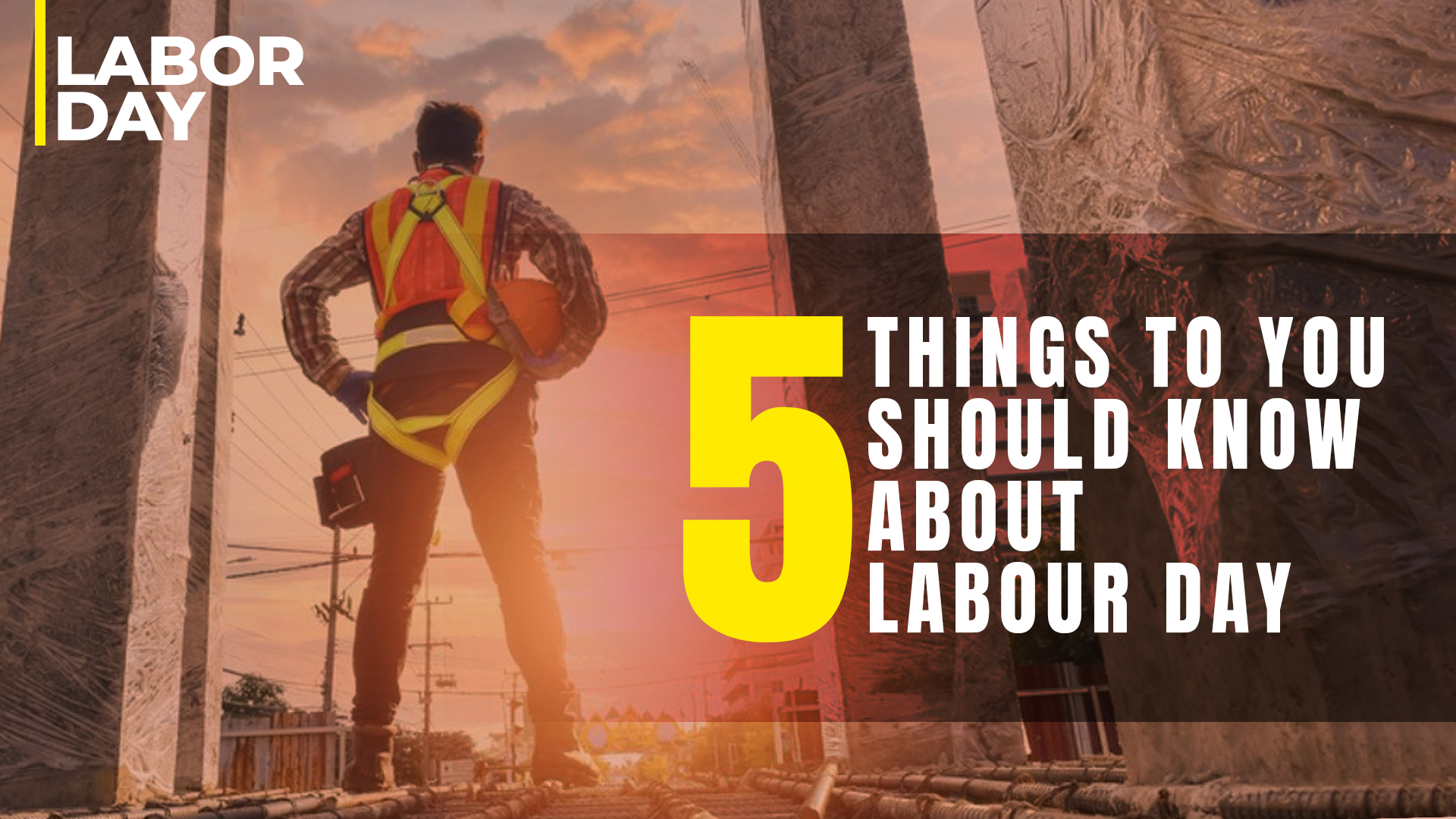
5 Things To you should know about labour Day
Every year on May 1st, we observe Labour Day, which recognizes the achievements made by workers in the 1800s to secure workplace rights that we benefit from today. These contributions include essential rights such as minimum wage, fair working hours, and safer working conditions. Labour Day serves as a reminder of the struggles and accomplishments of workers during the Industrial Revolution.
What is Labour Day?
Labour Day is also known as May Day or International Workers' Day. It originated in the 1800s in the United States, where workers often worked up to 12 hours a day without weekends and under difficult and unsafe conditions. This period marked the height of the Industrial Revolution, when workers faced intense pressure due to rapid industrial growth.
While there were many strikes organized by workers' unions, one of the most significant was the nationwide strike on May 1st, 1886, involving over 300,000 workers across the United States. A key event during this movement was the Haymarket protest held on May 4th in Chicago. These protests eventually led to reforms that improved working conditions for future generations.
May 1st is now recognized as a public holiday in many parts of the world. It symbolizes the global labour movement and the progress made in improving working conditions and employee rights.
5 Rights We Enjoy Because of the Labour Movement
1. Fair Working Hours
Before labour reforms, workers often worked up to 100 hours per week with no weekends. The demand for an 8-hour workday and a 5-day work week became a central goal of labour movements. Today, these standards are widely accepted and help ensure a healthy work-life balance.
2. Fair Pay and Minimum Wage
Workers in the past were paid extremely low wages despite long working hours. Labour protests led to laws ensuring fair pay, minimum wage, and overtime compensation, helping workers receive appropriate earnings for their efforts.
3. Eradication of Child Labour
Child labour was once common, with children working in hazardous conditions. Labour movements led to laws that restricted child labour and ensured that children could pursue education and maintain their well-being.
4. Formation of Unions
Labour unions were formed to represent workers and advocate for their rights. These unions continue to play an important role in addressing employee concerns and improving workplace conditions.
5. Rights for Working Women
Women have played a crucial role in the labour movement. Despite facing unequal treatment, they actively participated in protests and contributed to securing rights related to fair wages, safety, and equality in the workplace.
The First Labour Day Celebration in India
Labour Day was first observed in India on May 1st, 1923, in Chennai. The event was led by freedom fighter Malayapuram Singaravelu, who also established one of the earliest trade unions in the country. The celebration called for May 1st to be declared a public holiday and emphasized the unity of workers.
Today, many workplaces promote work-life balance and employee well-being. However, these fundamental rights exist because of the efforts and sacrifices of workers who fought for fair and humane working conditions. Their legacy continues to benefit people around the world.
Check us out on LinkedIn.